BLExAR
BLExAR is an integrated app that uses Bluetooth Low Energy to convert many Arduino boards into iOS-compatible devices. BLExAR allows the smartphone user to control digital and analog pins on Arduino-based boards using several Bluetooth Low Energy modules (HM-10, CC254x, nRF52, etc.).
Some features include: Real-time control of Arduino pins, data plotting in real-time, and raw communication using a terminal window.
The BLExAR app is intended for makers, students, and engineers interested in controlling their Arduino app whether for hobby or professional purposes. The app allows the user to interact with their Arduino board, but also receive data from sensors and so much more!


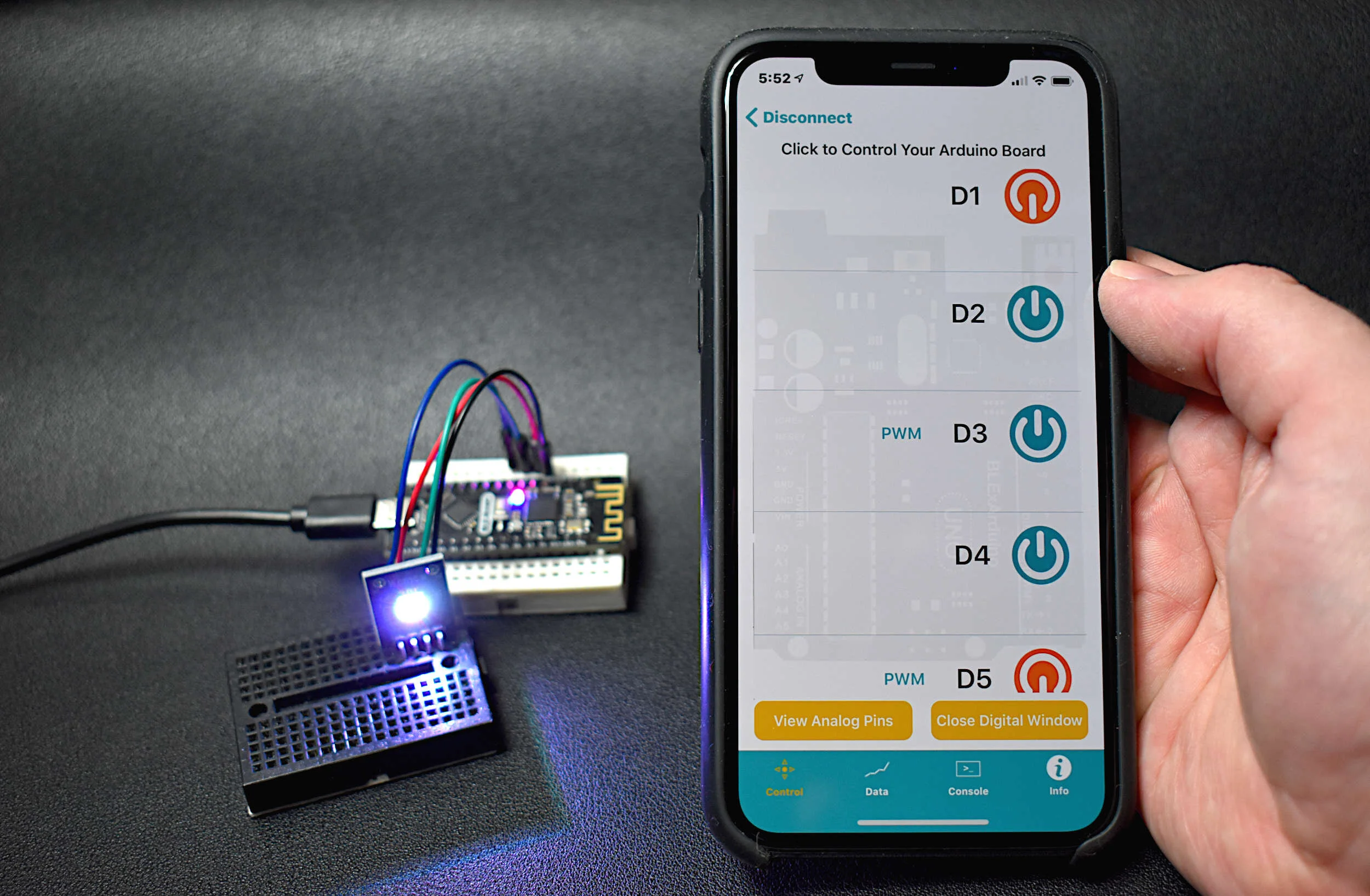
Pin Control
Toggle digital pins HIGH/LOW and set analog PWM values in real-time from your phone.
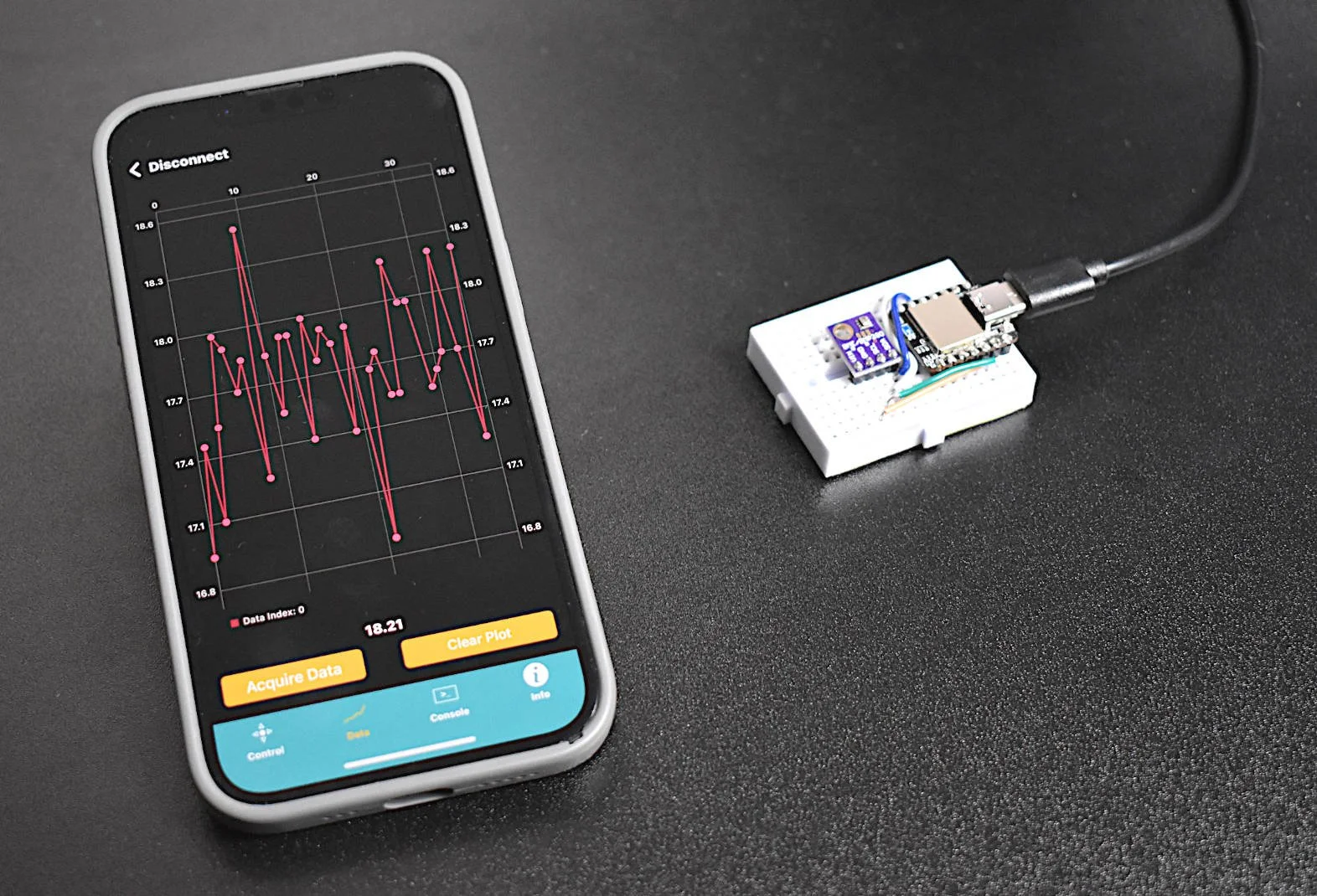
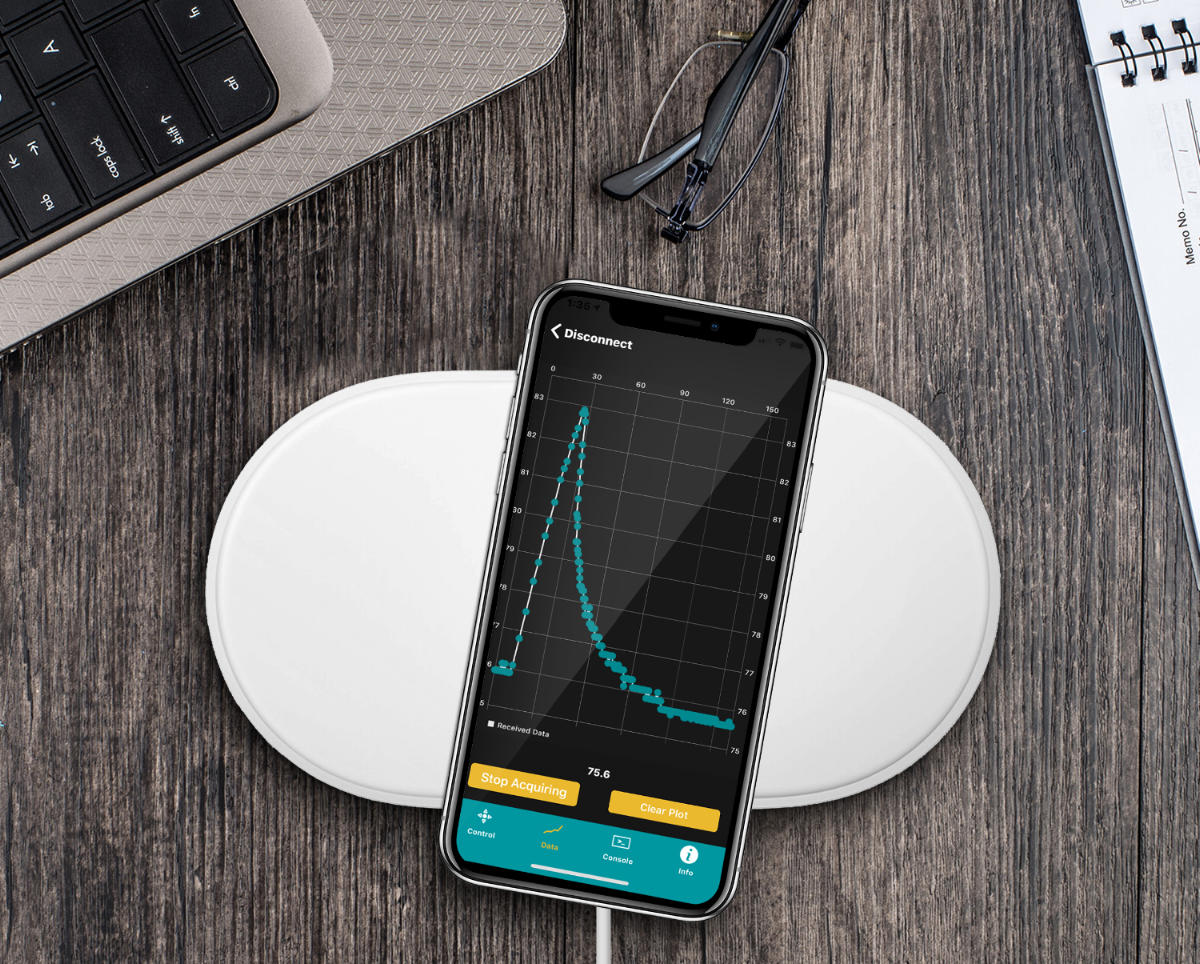
Live Data Plotting
Visualize sensor readings as they arrive with real-time graphs and timestamped data points.
Terminal Window
Send and receive raw UTF-8 commands for full serial-style communication with your board.
CSV Export
Save acquired data periods as .csv files and email them for offline analysis and reporting.
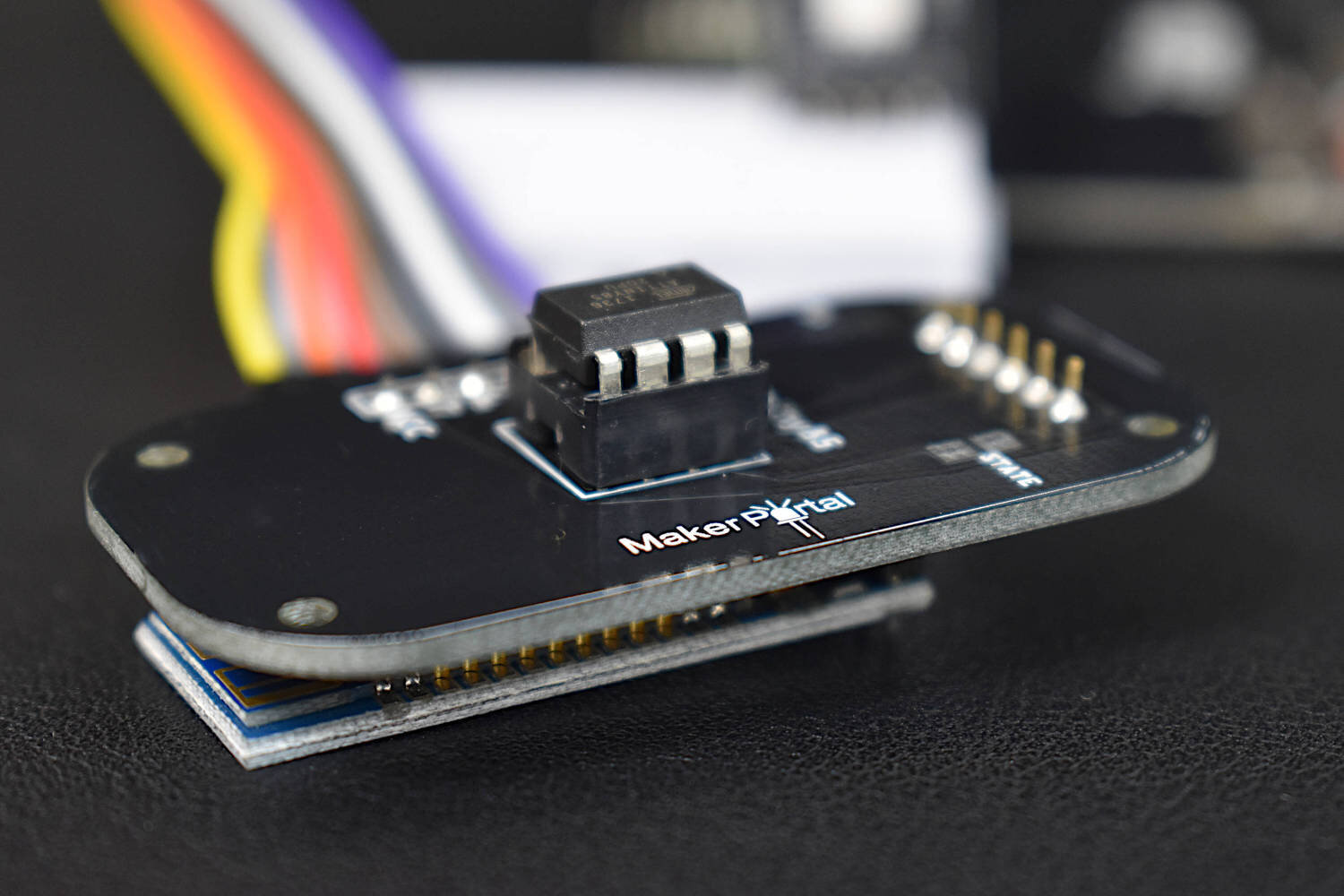
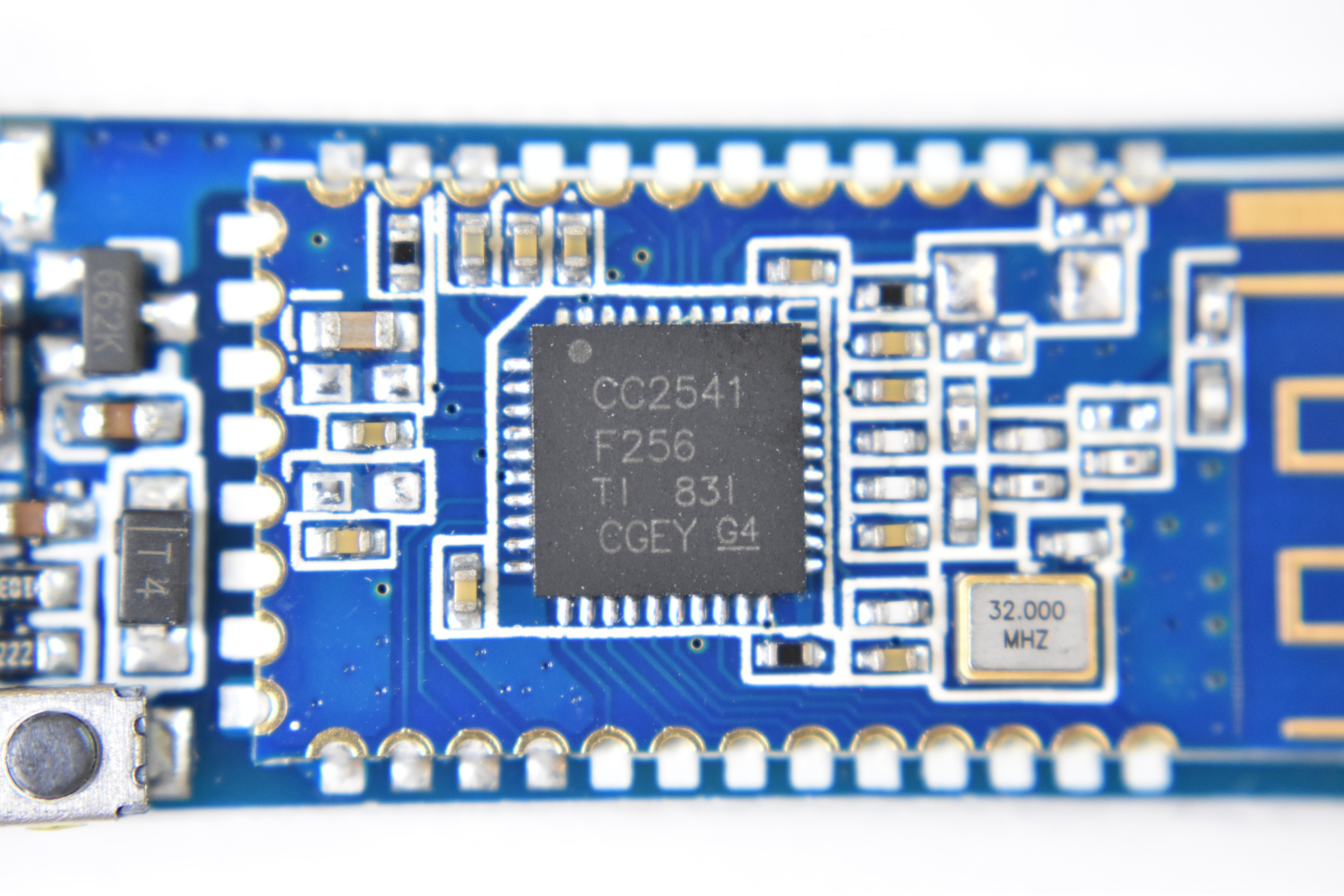
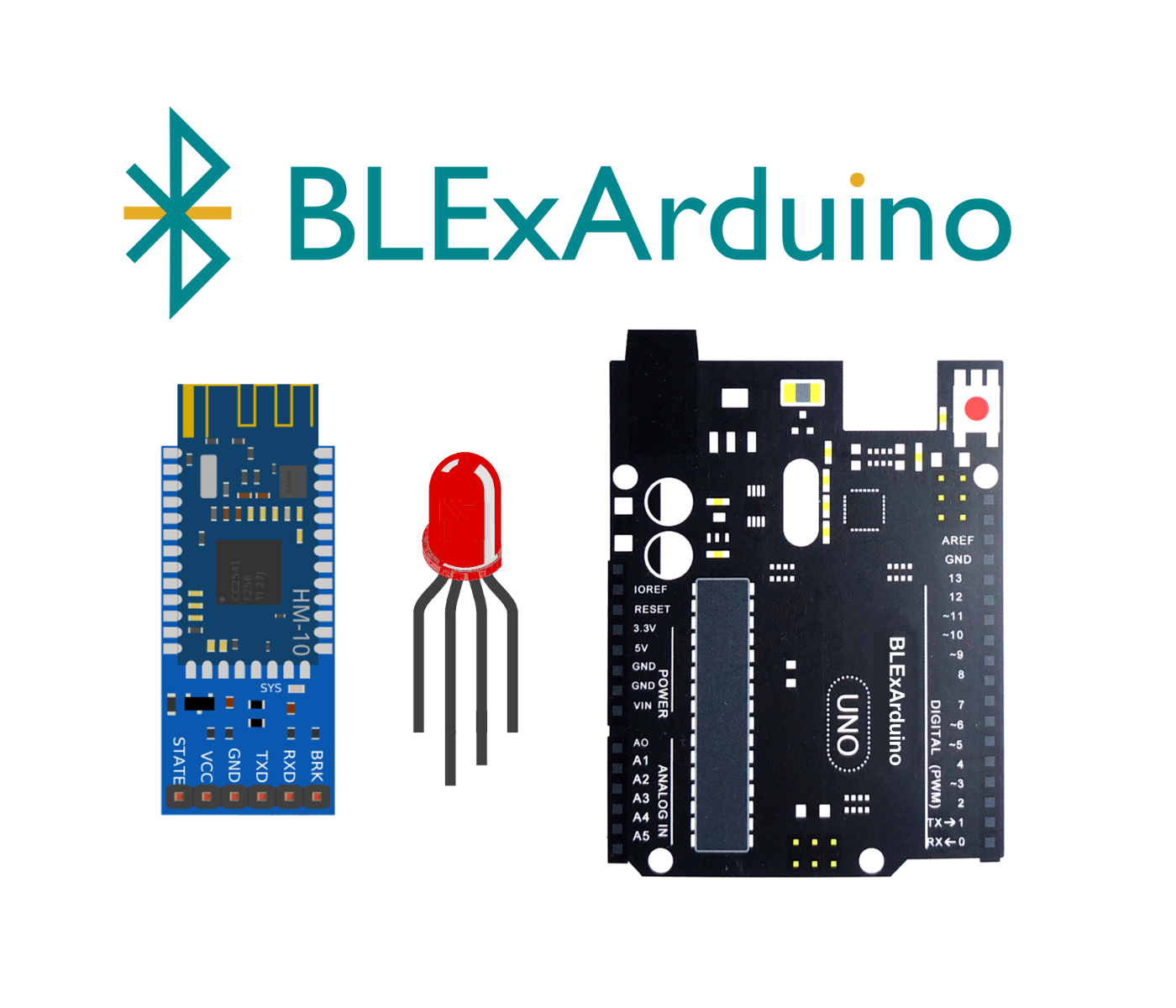
Compatible Bluetooth Modules
Works with a wide range of BLE modules and Arduino-compatible boards.

Scan for a Wide Range of Bluetooth Devices
Discover and pair with any compatible BLE peripheral in range. The scan window shows all discoverable devices so you can connect with a single tap.

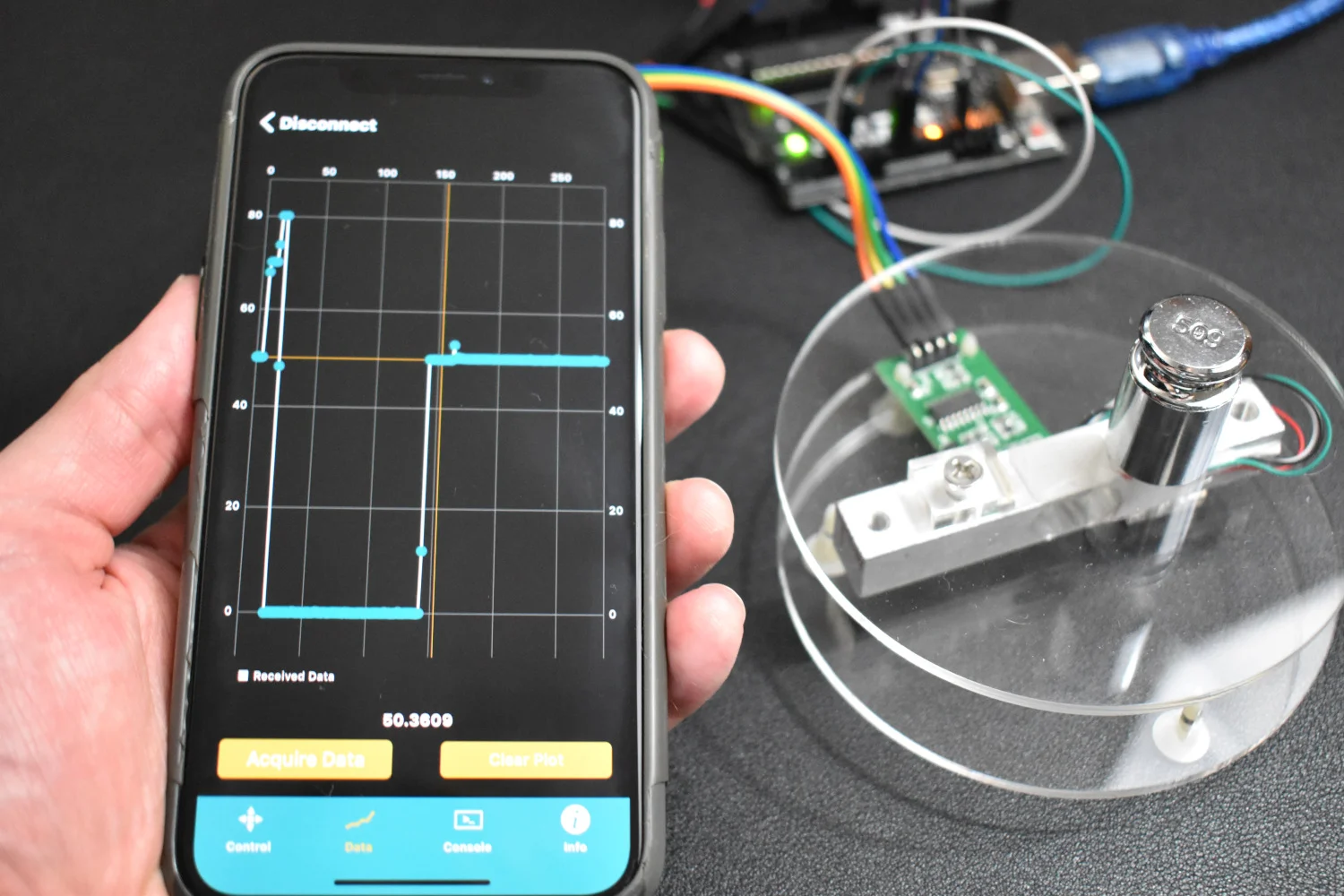
Acquire Data from an Arduino Board
Log temperature, humidity, weight, and more — streamed live from sensors connected to your Arduino. Start and stop acquisition with one tap.
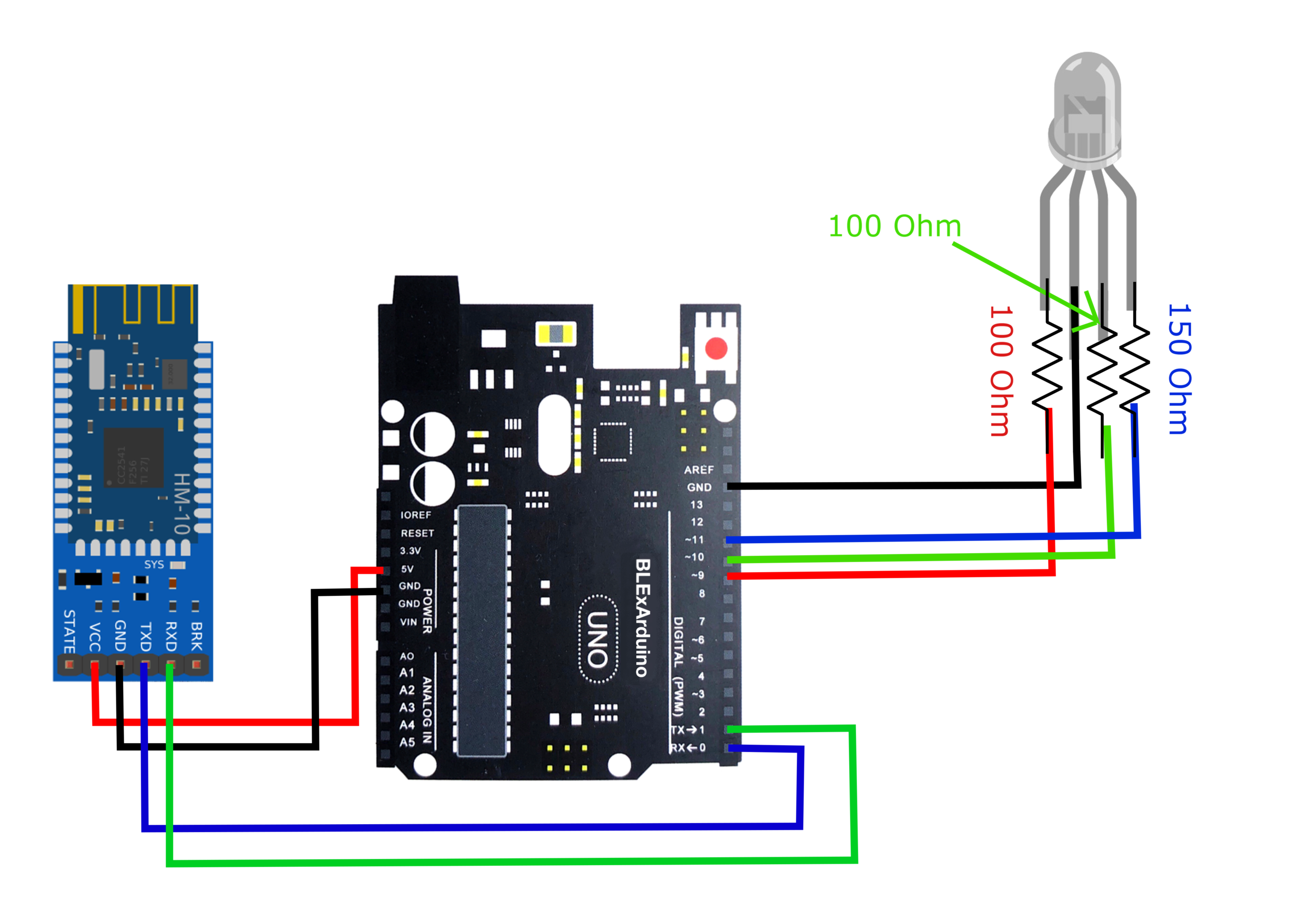
Control Sensors with Simple Wiring
Drive LEDs, motors, servos, and relays from your phone. Minimal wiring means you can prototype ideas in minutes, not hours.
Ready to Build Your Own Project?
Grab the BLExAR Kit — everything you need to get started, in one box.
Shop the BLExAR Kit